Community
Educational
Introducing the Biomimicry Competition
🌟 UPDATE: We made the Del Mar Times! Read the full story: Local students create nature-inspired water filter for international biomimicry contest.
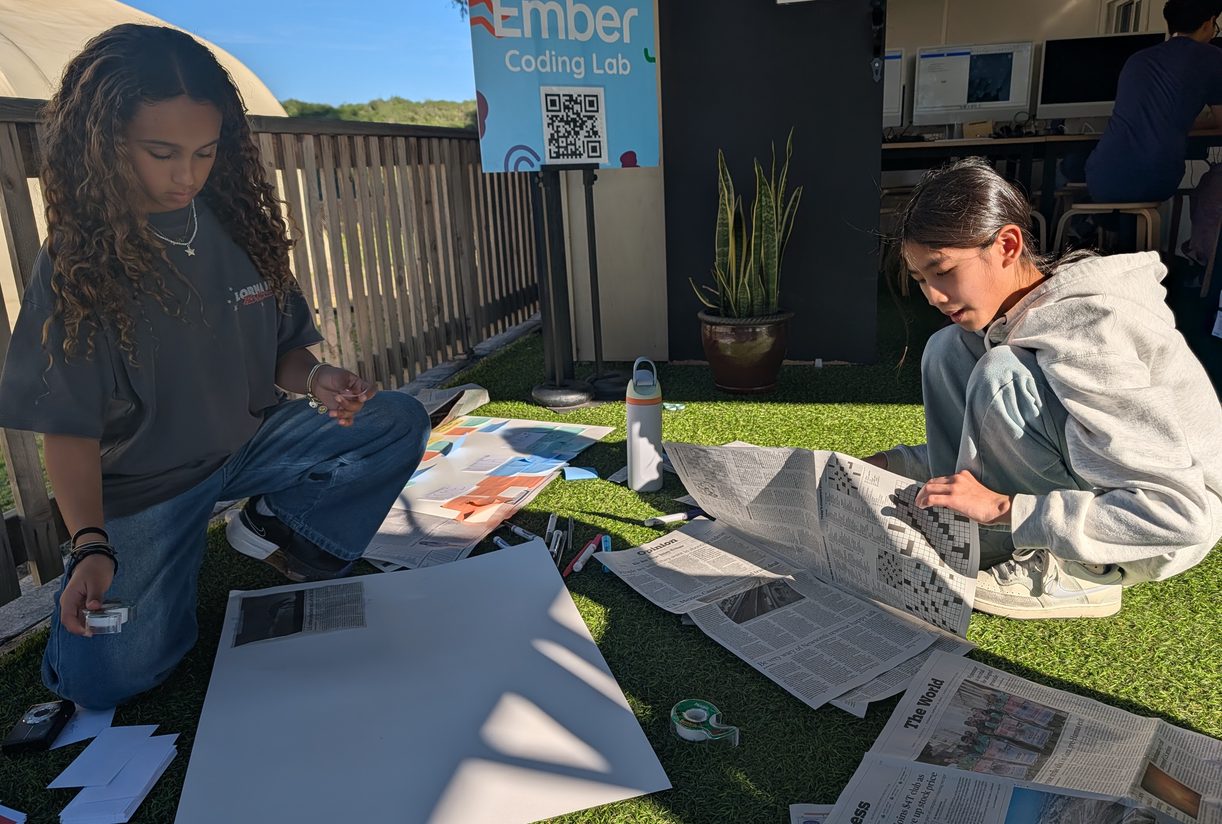
This year, we are participating in the international Biomimicry competition, where middle and high school students identify a problem in their community, study how nature solves similar problems, and design a nature-inspired prototype to solve the problem.
Our two students, both 11-year olds and invited to participate (because they exude excellence!!), have honed in on the following problem statement: How might we create an eco-friendly, tasty, and affordable tap water?
The girls chose this problem after learning that many people do not trust San Diego’s famously hard tap water or plainly don’t like the taste.
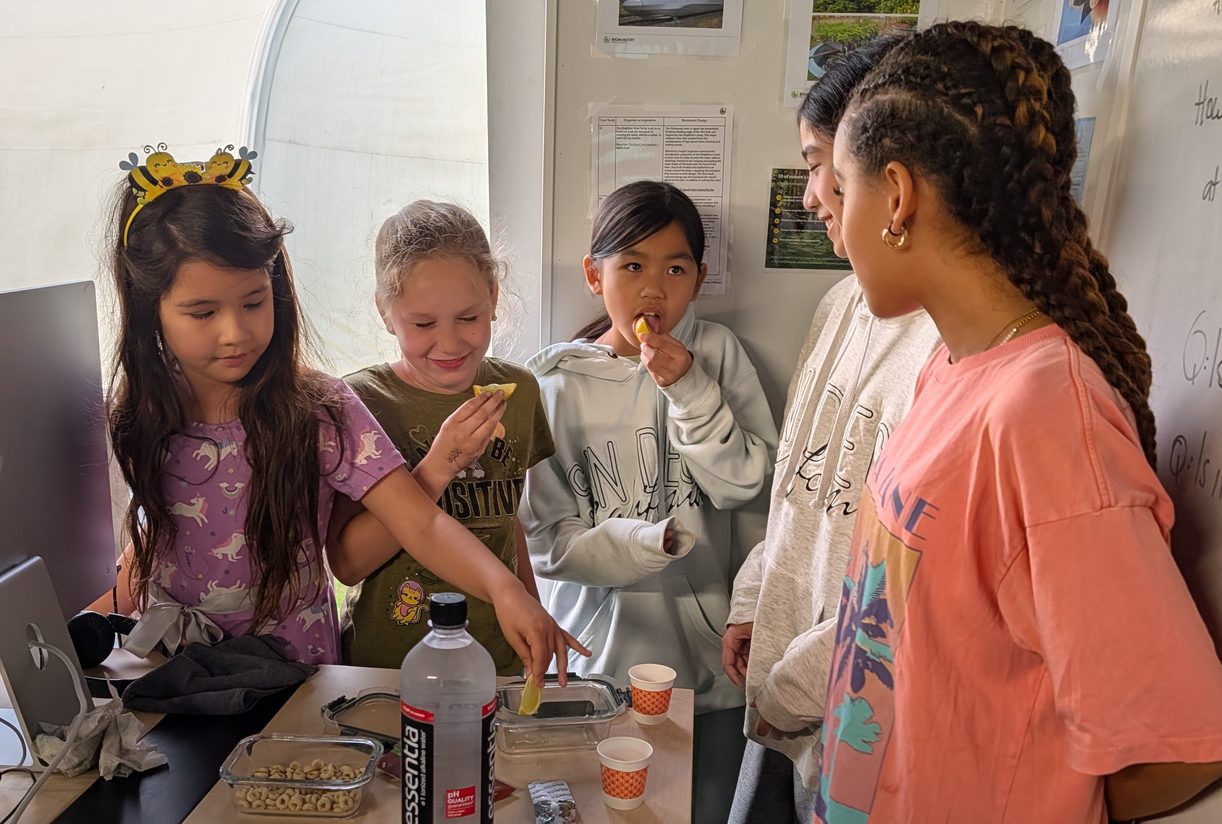
To better understand our tap water, the girls conducted blind tasting tests in our coding lab (your kids may have participated by trying out six different types of water!). Cool data point: we found that 65% of testers thought they were going to dislike tap water the most, but only 21% of testers actually selected tap water as their least favorite during the blind test.
The girls are also testing the mineral composition in tap water to understand the health profile of San Diego’s tap water, and studying nature, such as the mangrove root that naturally filters out excess salt in water.
We are now in the solution phase, and looking forward to sharing more when we are further along!
Why this matters for our Ember students: In this project, students are practicing the full arc of building, from ideation to solutioning of a product or problem. Coding becomes a part of a larger system, a way to model (i.e. simulate how the natural filter works digitally), test, analyze, or communicate their ideas.
Our goal is for our students to feel powerful building something meaningful, and to internalize where their talents are most suited in our technology-enabled world. We know technology is changing how we work and live, and we want our students to be shaping the future, not feeling intimidated by it.
What this means for our younger students: We are constantly sharing what we are building with our younger students in the lab. We want them to see their older peers explore this way of building and get inspired to do the same when they are 11 or 12.